Key Visuals
2026.03 – Present
A theory-driven scoping review mapping paediatric non-sedation MRI preparation interventions through the COM-B behaviour model.
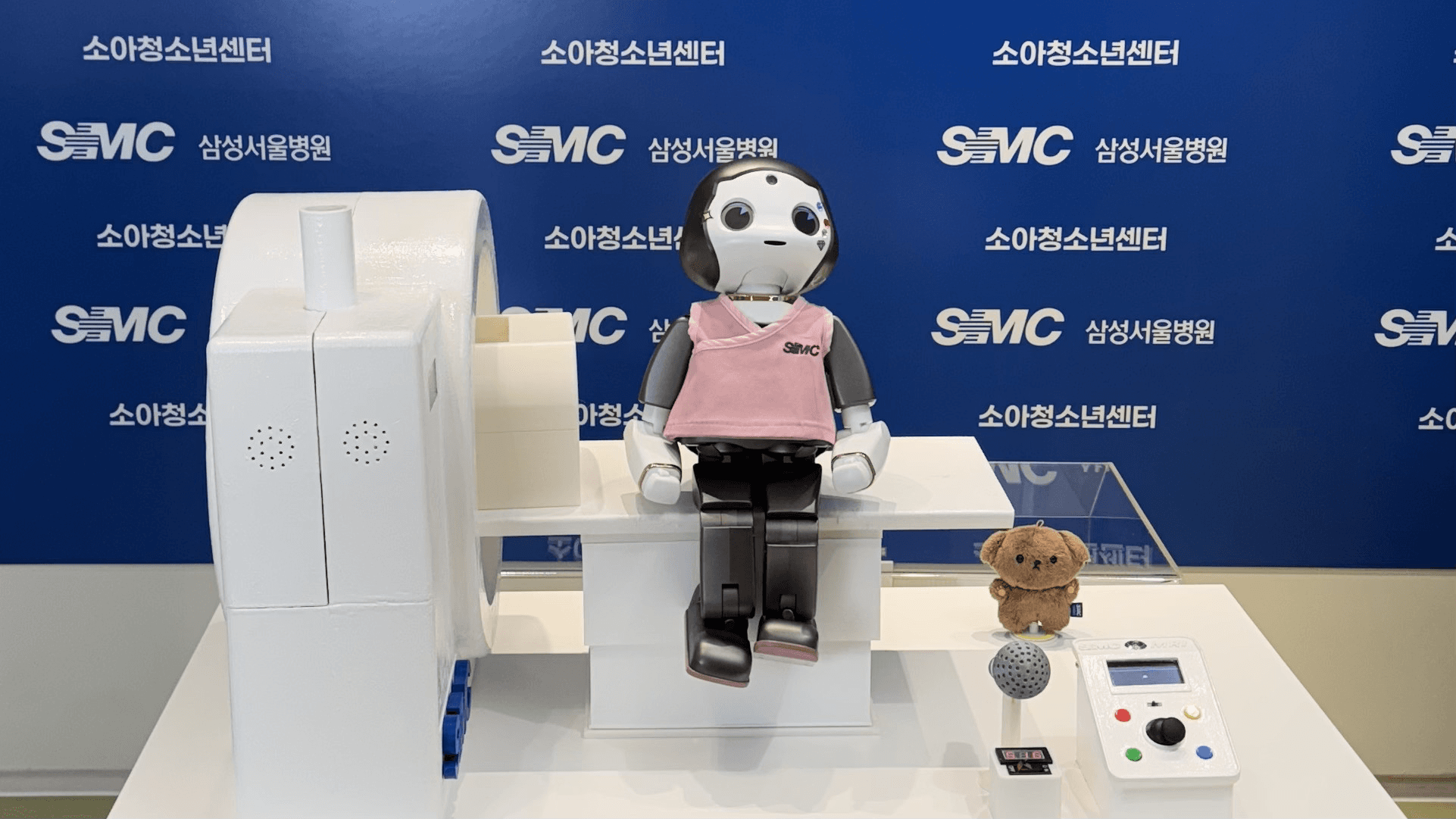
MRI requires children to remain still in a loud, enclosed environment, which can be frightening and often leads to sedation with additional medical risk. While many preparation programmes aim to reduce sedation needs, they have usually been developed without a shared theoretical lens, making it difficult to explain heterogeneous outcomes.
Prior reviews of paediatric MRI preparation interventions reported outcomes in inconsistent ways, making it difficult to identify what specific features of an intervention actually drive success. I conducted a cross-disciplinary search — spanning frameworks from health literacy, participatory pathways, and behavioural science — to find an analytical lens that could systematically explain which intervention characteristics matter and why. I identified the COM-B model as best suited for this purpose and led the scoping review using it as the organising framework, in preparation for submission to Pediatric Radiology.
Following PRISMA-ScR guidelines, eligible studies were systematically identified across multiple databases and screened for inclusion. Each included intervention was mapped onto the six sub-components of the COM-B model, with recurring design patterns and measurement gaps inductively extracted across studies rather than scored at the individual study level.
The synthesis showed that most interventions emphasize procedural understanding, while physical stillness training, social support design, and automatic fear reduction remain consistently undertargeted. The resulting COM-B map provides a theory-based agenda for designing more comprehensive paediatric MRI preparation programmes and defining priority outcomes for future studies.